



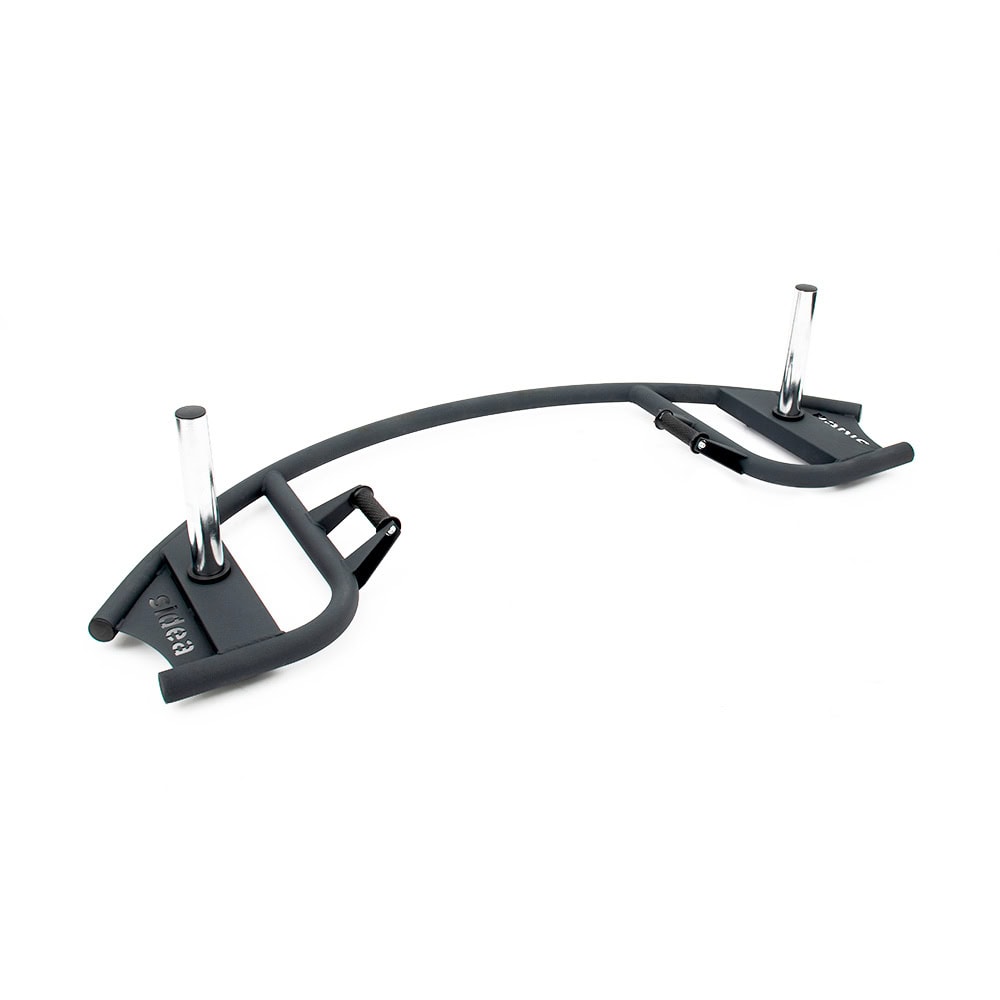
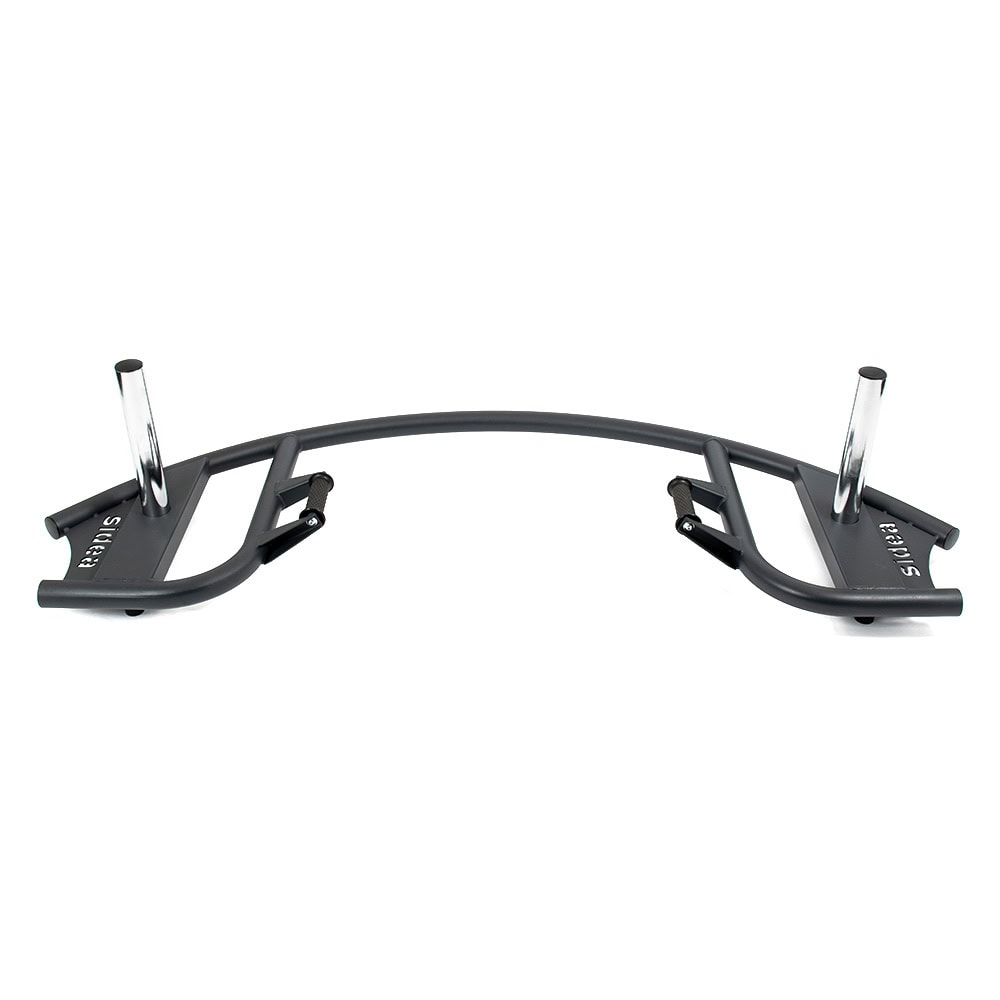


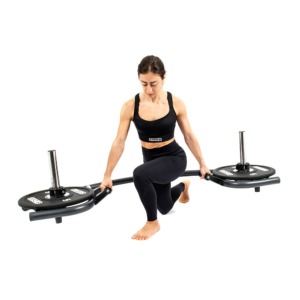
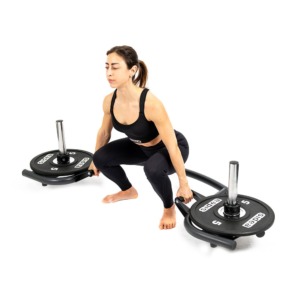
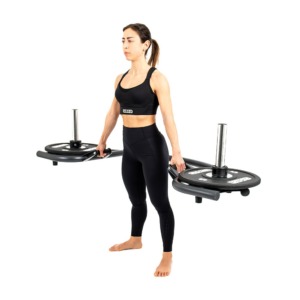
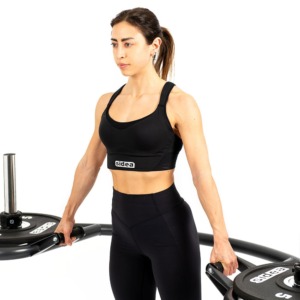
We manufacture different models of hexagonal barbells, also known as Trap Bars or Quadra Bars:
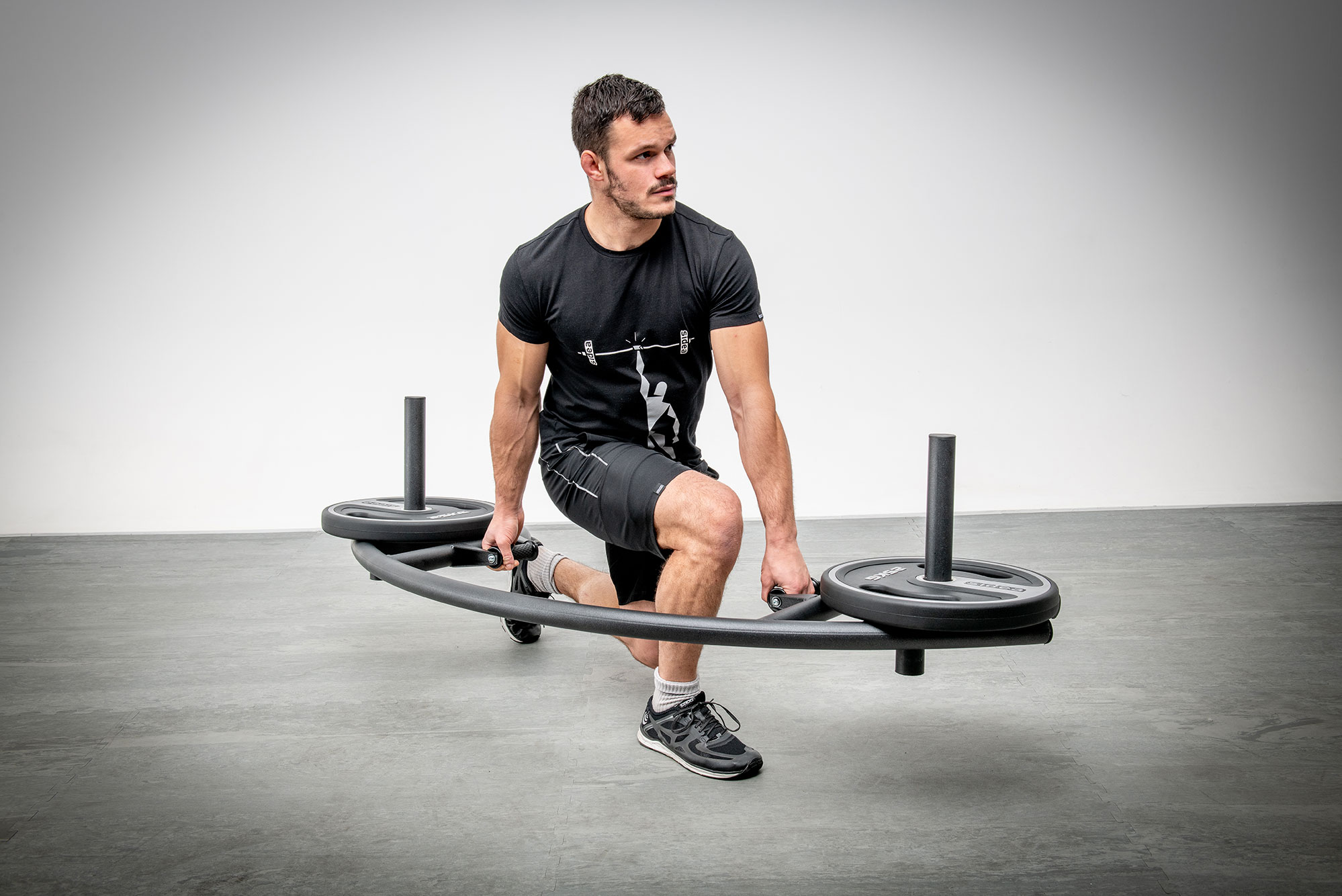
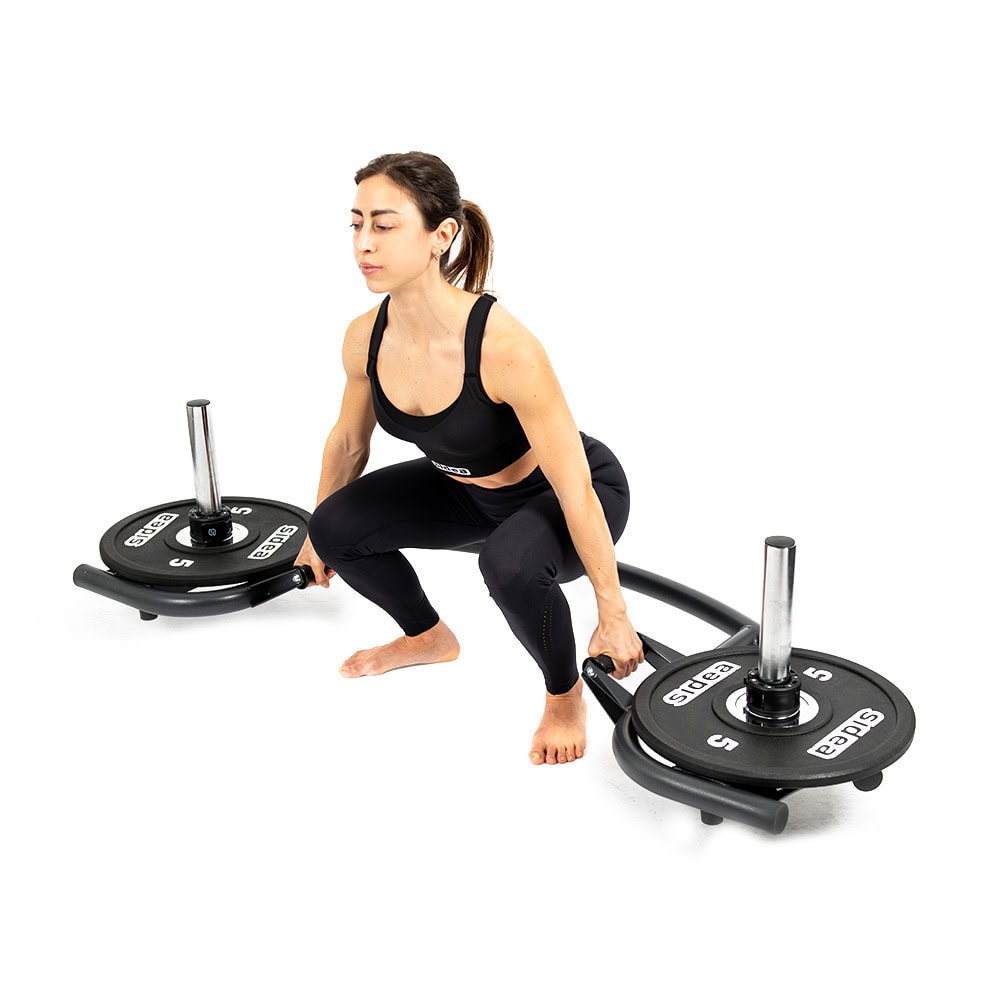
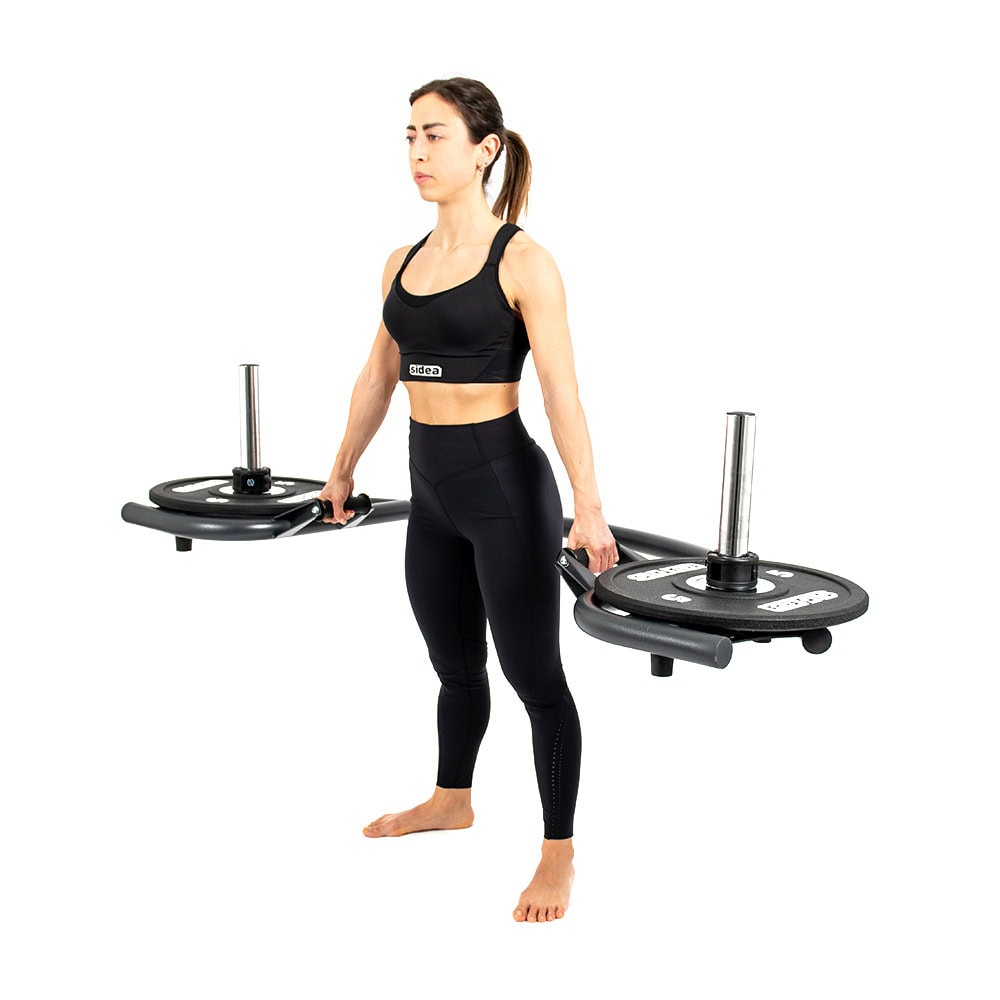
The Low Hex Bar 9012/3 represents a significant evolution in hexagonal barbell design, developed to meet specific technical needs in physical training. Its design was registered by us at the end of 2021, following research conducted within the FAST (Functional Alpine Ski Training) method, a training system specifically designed for alpine skiing athletic preparation.
The term “functional” highlights the effectiveness of global training, where movements are not isolated but trained as a whole to develop motor skills comprehensively. For this reason, both exercises and equipment are designed to stimulate the neuromuscular, skeletal, and joint systems, requiring good mobility and a solid understanding of movement for correct use.
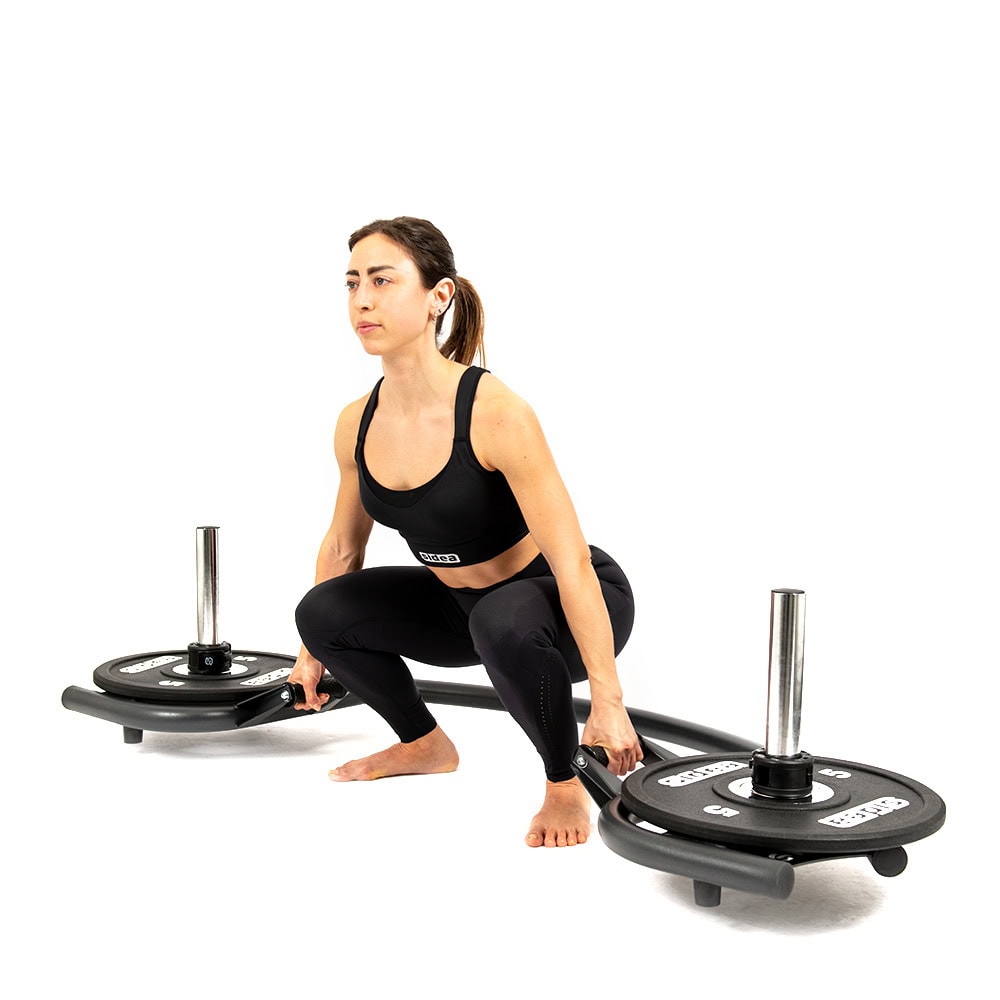
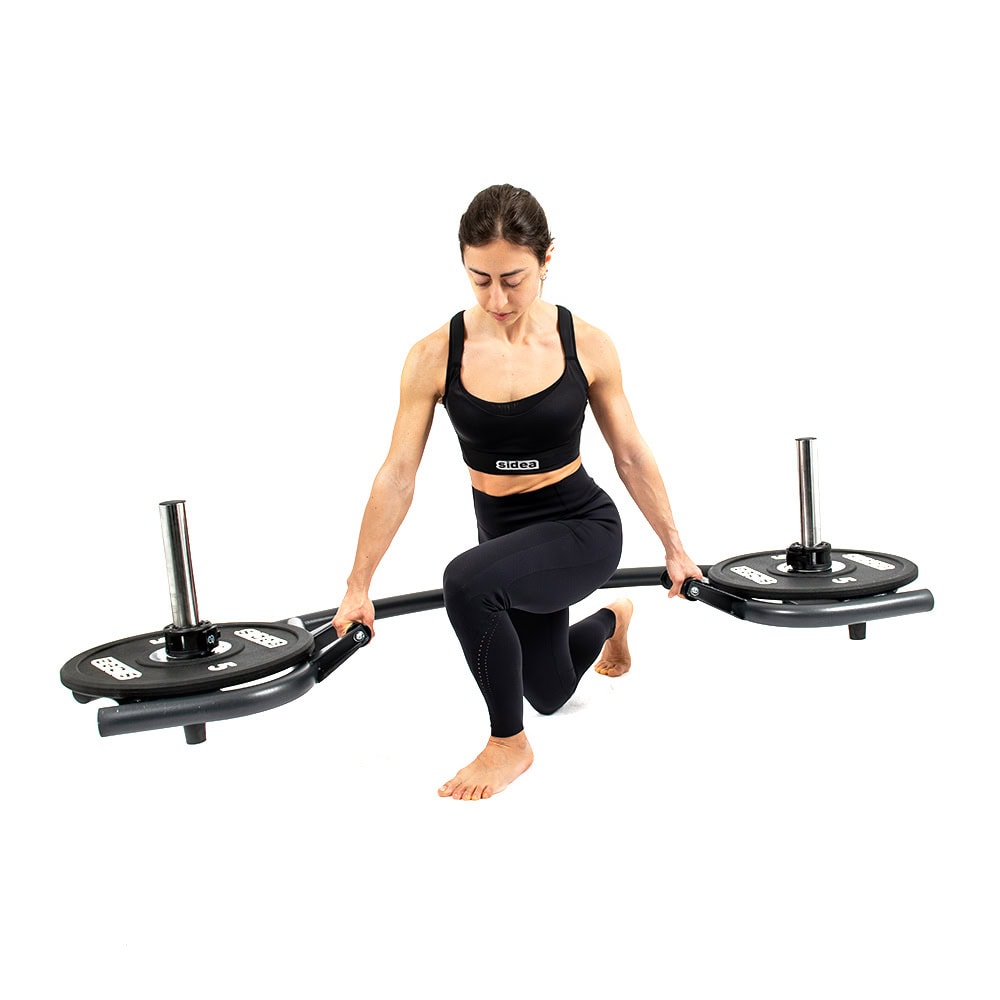
Hex Bars are widely used in athletic preparation because, compared to traditional barbells, they offer ease of use (no need for supports or racks), with significant advantages in terms of safety and practicality. The presence of handles, the centered load relative to the body axis, and greater freedom of movement contribute to a simpler exercise mechanics. This is particularly beneficial for beginners, individuals with motor impairments, or those in post-injury rehabilitation, making squats and deadlifts easier to perform. Based on these premises, we developed a one-of-a-kind Quadra Bar that allows maximum freedom of movement across all planes (sagittal, frontal, and transverse), facilitating deep lunges and squats and approaching common sticking points.
A key innovation is the horizontal positioning of the weight plates, which results in a bar with handles extremely close to the ground, hence the name Low Hex Bar. This feature makes loading and unloading weights extremely practical, particularly useful in pyramidal training.
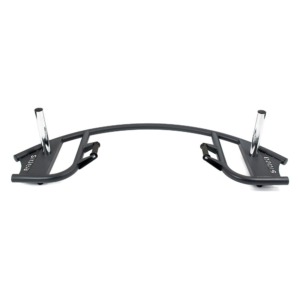
The open structure—where the hexagon loses one side, becoming a half-moon—completes the transformation of the Hex Bar into this new tool, which retains only the original concept of the hexagonal bar.
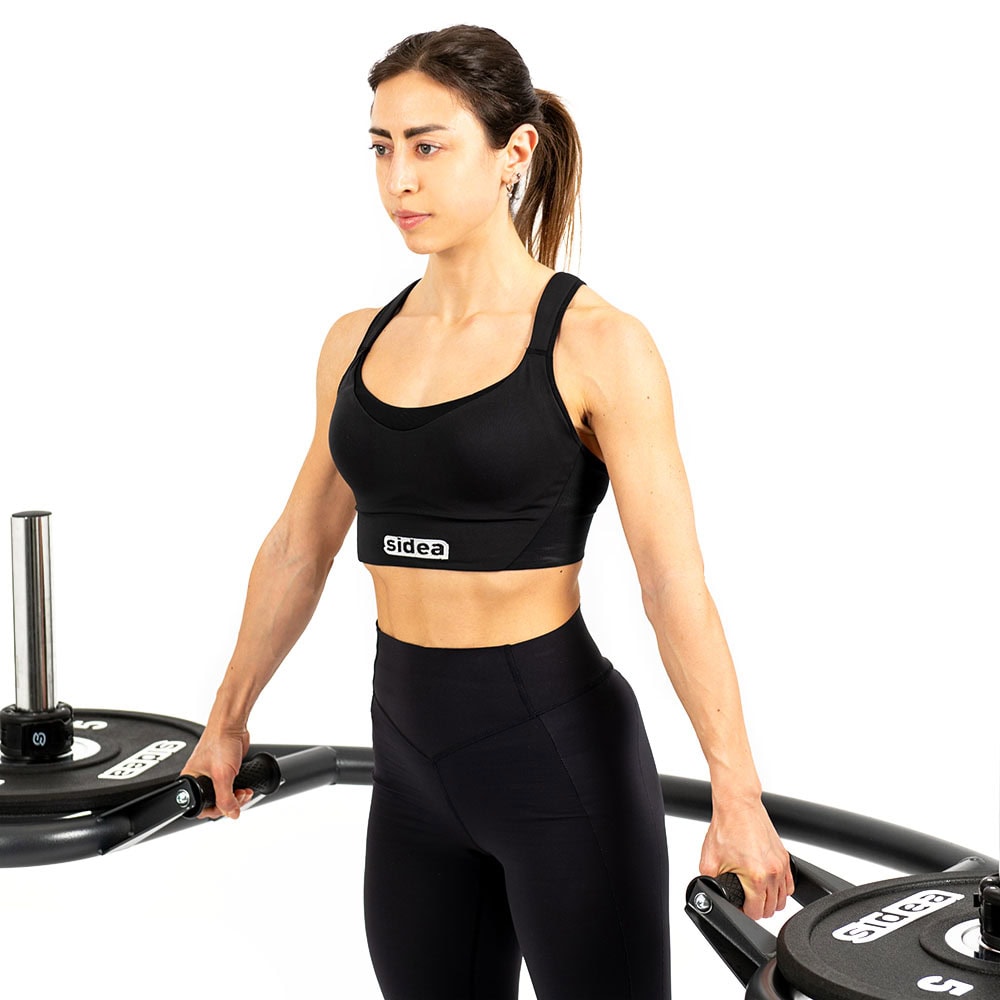
Another key evolution is the use of rubberized ergonomic handles, which enhance control and directionality during high-dynamic multiplanar exercises. However, due to their 45° positioning, the bar also becomes more destabilizing, requiring continuous proprioceptive adaptations and a greater neuromuscular engagement.
The Importance of Proprioception in Physical Training
Proprioception is a crucial aspect of athletic preparation, as it involves the neuromuscular system’s ability to perceive and control the body’s position in space, improving balance, joint stability, and motor coordination.
A high level of proprioceptive activation is essential to optimize movement control, both in static and high-intensity dynamic exercises.
In sports practice, well-calibrated proprioceptive training with appropriate overloads is fundamental to maximize its effectiveness. Too often, training protocols are seen where the load is inadequate relative to the power expressed in the reference sport, reducing the neuromuscular adaptation transfer to actual performance.
A properly structured proprioceptive training program is crucial for injury prevention and performance enhancement, especially in sports requiring reactivity, dynamic stability, and continuous adaptations to external stimuli, such as alpine skiing, basketball, soccer, and martial arts, to name a few.
Training tools like the Low Hex Bar enhance proprioceptive engagement, turning each exercise into both a strength workout and a powerful neuromuscular and joint stimulus.
Due to its unique configuration, the Low Hex Bar increases motor control in controlled instability conditions, a key aspect for transferring trained abilities to real sports performance.
Technical Specifications
The 9012/3 Low Hex Bar is made from a 50 mm diameter tubular frame and is fully coated with a durable dark gray textured paint.
The sleeves have a 50 mm diameter and a 300 mm length, providing ample loading capacity and compatibility with all 50 mm hole weight plates.
The horizontal placement of the plates eliminates the need for Bumper Plates, allowing the use of smaller diameter plates, such as Fractional Plates, or coated plates like PU Plates or Rubber Plates, resulting in significant cost savings.
Additionally, the Low Hex Bar features sturdy rubber feet for a secure, slightly cushioned, and silent support.
Latest Model Updates
The current model differs from the 2022 version (code 9012/3v) due to its chrome-plated sleeves, which allow integration with the Hamstring Bar 9012/3B and the use of collars 9016/1, essential for Jump Squats.
When combined with the Hamstring Bar 9012/3B and collars 9016/1, the Low Hex Bar transforms into an exceptionally effective training station, designed to maximize athletic preparation by improving:
- Knee joint stabilization
- Posterior chain strengthening
- Anterior chain development
All while offering a high level of safety, efficiency, and biomechanical advantage.
Weight 25 kg